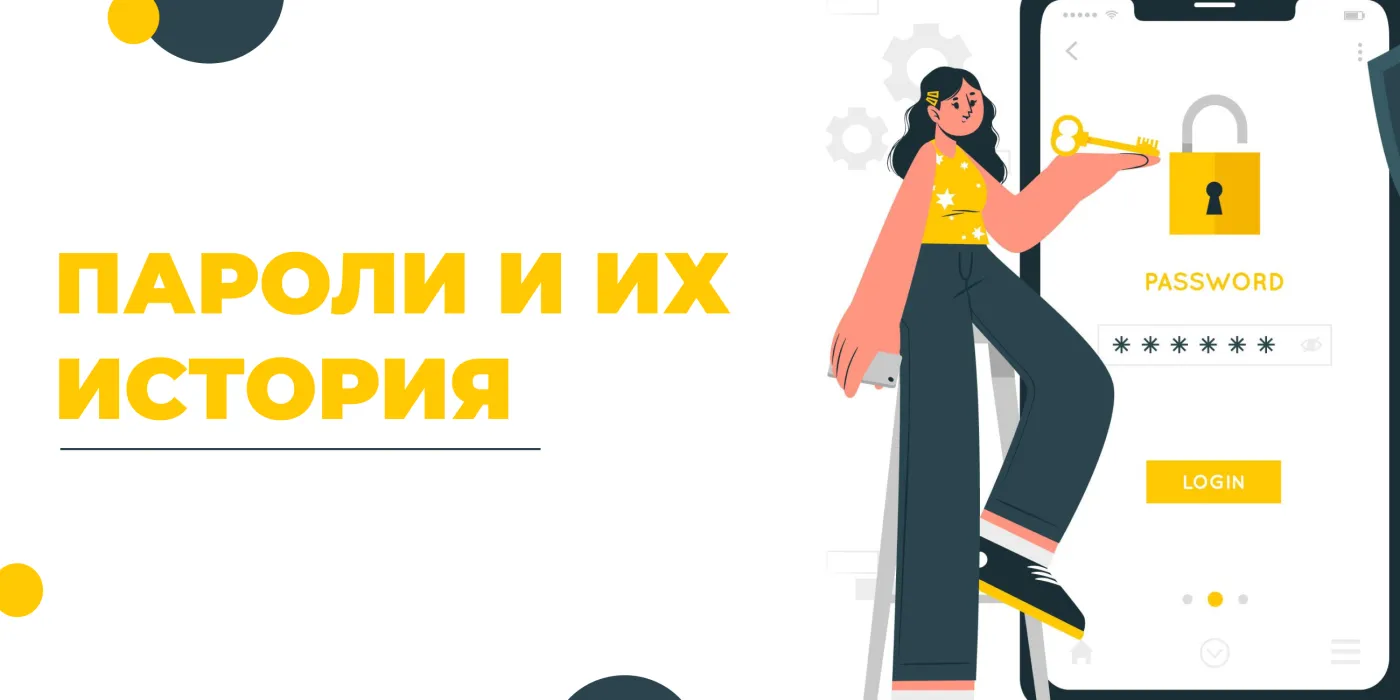

Passwords have become an integral part of our everyday lives: we use them to protect online accounts, financial transactions, and confidential information. Yet using them as a means of authentication is nothing new. The history of passwords goes back to ancient civilizations, where they were used to protect secret information and control physical entry into restricted areas. As technology advanced, passwords evolved to meet the growing security needs of the digital age. In this article, we look at the evolution of passwords, their strengths and weaknesses, and how they became the dominant form of authentication in the modern era.
Timeline:
- 4000 BC: Cuneiform tablets in ancient Babylon contained encrypted text that required a password to access.
- 500 BC: The Greeks used passwords to protect military communications.
- 14th century: Passwords were used to guard castle gates in medieval Europe.
- 1960s: The first computer systems used passwords for authentication and access control.
- 1980s: The spread of personal computers and the emergence of online services led to greater use of passwords.
- 1990s: Widespread internet adoption and the growth of e-commerce created a need for stronger passwords and more secure authentication methods.
- 2000s: The rise of social media and mobile devices increased the number of passwords users had to remember, which led to the development of password managers and single sign-on solutions.
- 2010s: A growing number of data breaches and cyberattacks put a spotlight on password security and on new authentication methods such as two-factor authentication.
- Today: Passwords remain the most widely used form of authentication, but they are increasingly supplemented by biometric authentication and other advanced security measures.
Passwords have been the most widely used form of authentication for decades and remain a popular way to protect accounts and information. Here are their strengths and weaknesses:
Strengths:
Convenient: passwords are easy to use and require no special hardware or technology. Users can easily create and remember them.
Ubiquitous: passwords are widely used and accepted by all kinds of online services, which makes them a universally recognized authentication method.
Customizable: passwords can be tailored to the specific security requirements of different users and organizations.
Weaknesses:
Vulnerable to cracking: passwords can be cracked, especially if they are weak or easy to guess.
Hard to remember: users may struggle to remember multiple unique, complex passwords, which leads them to reuse weak passwords or rely on easily guessed information.
Lack of security: passwords can easily be lost or stolen, resulting in unauthorized access to sensitive information.
Limited security: passwords can provide only a limited level of protection, especially given the growing sophistication of cyberattacks.
Although passwords remain a popular form of authentication, they have their limitations and drawbacks. This has led to the development of alternative authentication methods, such as biometric and multi-factor authentication, designed to provide a higher level of security.