

Website integration with Kaspi and 1C
A website truly sells when customers can pay the way they are used to, and the prices and stock on the site match what is actually in the warehouse. In Kazakhstan that almost always means Kaspi, bank acquiring and accounting in 1C or MoySklad. Studio Nomad connects these systems to websites and online stores: we set up online payments, product feeds, price, stock and order exchange, and sending leads to your CRM.
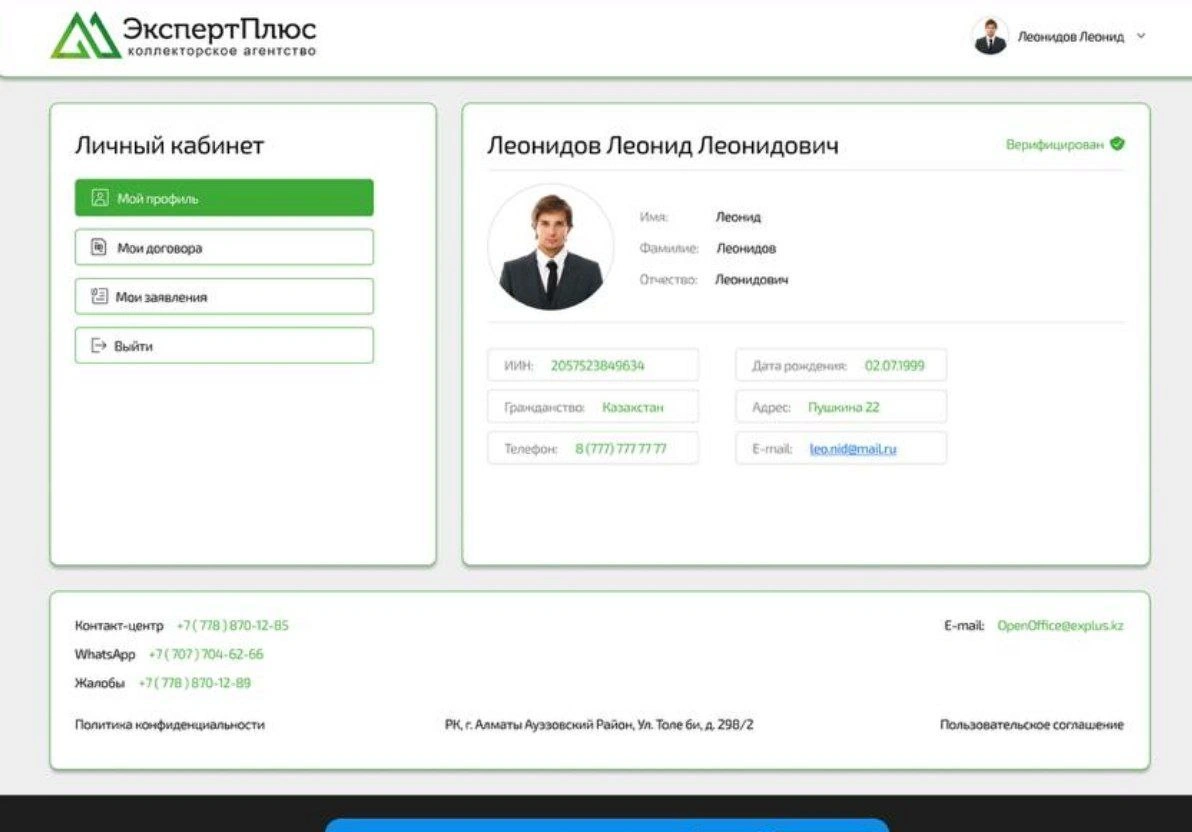
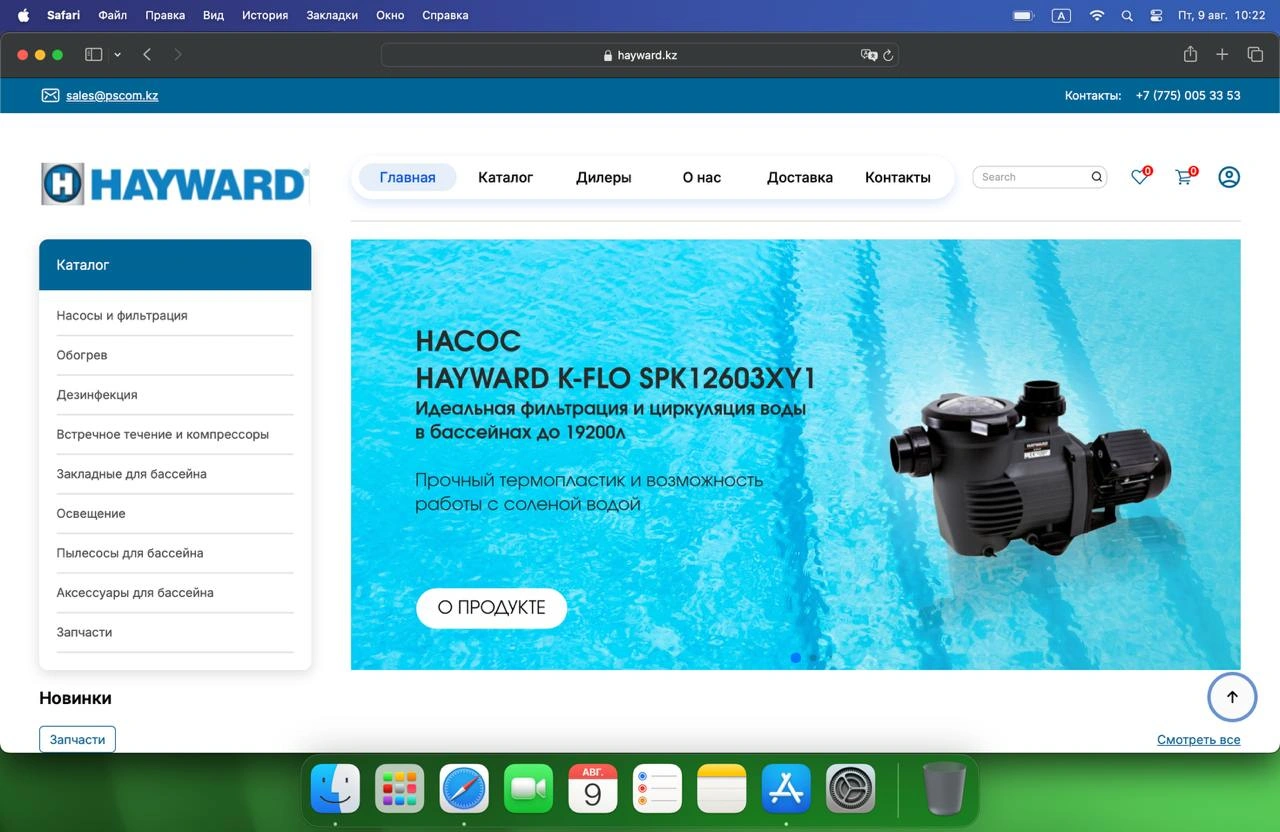
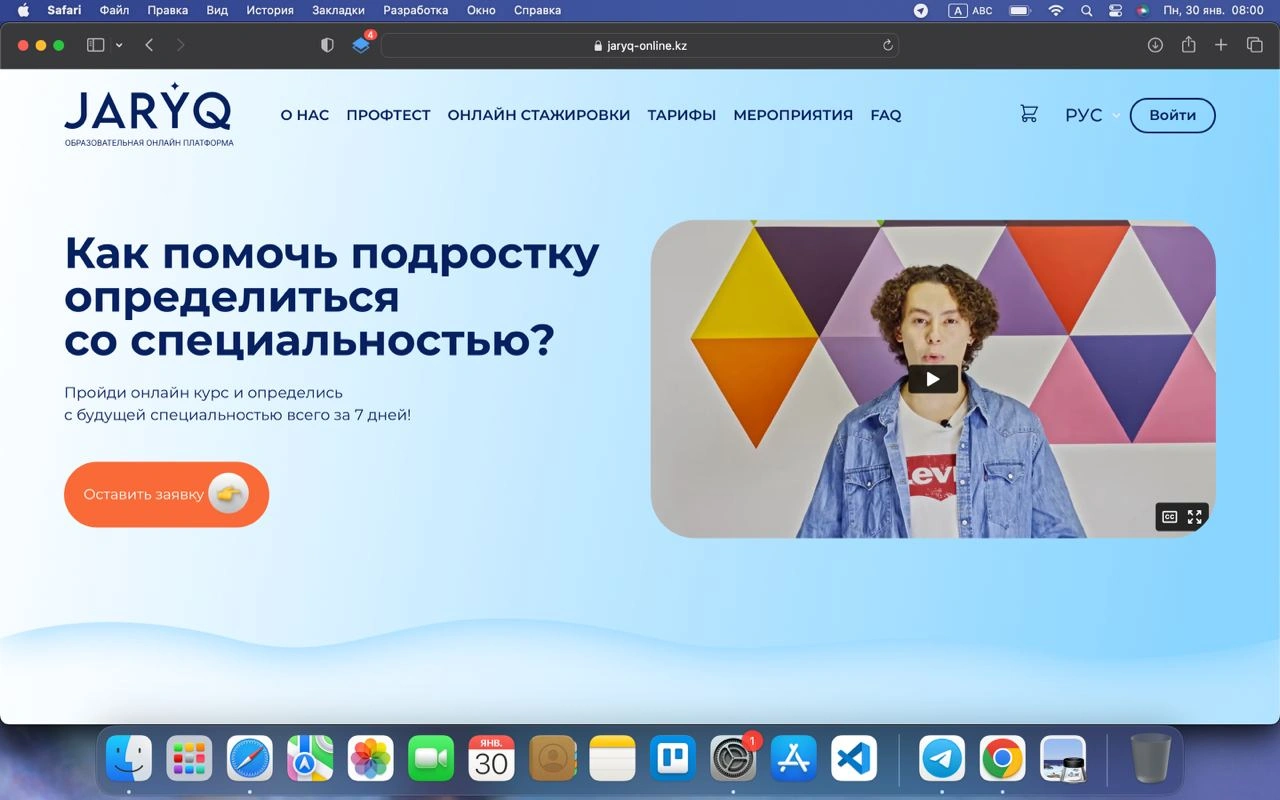
We build integrations both for new projects and for websites that are already live. Payments via Kaspi and Halyk run in our projects Hawaii, Jaryq, Expert Plus and Ak Zhol Pharm, and 1C integration in Astra Market, Hayward and Teri Sarayi.
Integration costs from 150,000 ₸. For a new online store, payment and accounting integrations are included in the project estimate. We work under a contract and, after launch, provide a 24-month warranty with free technical support.
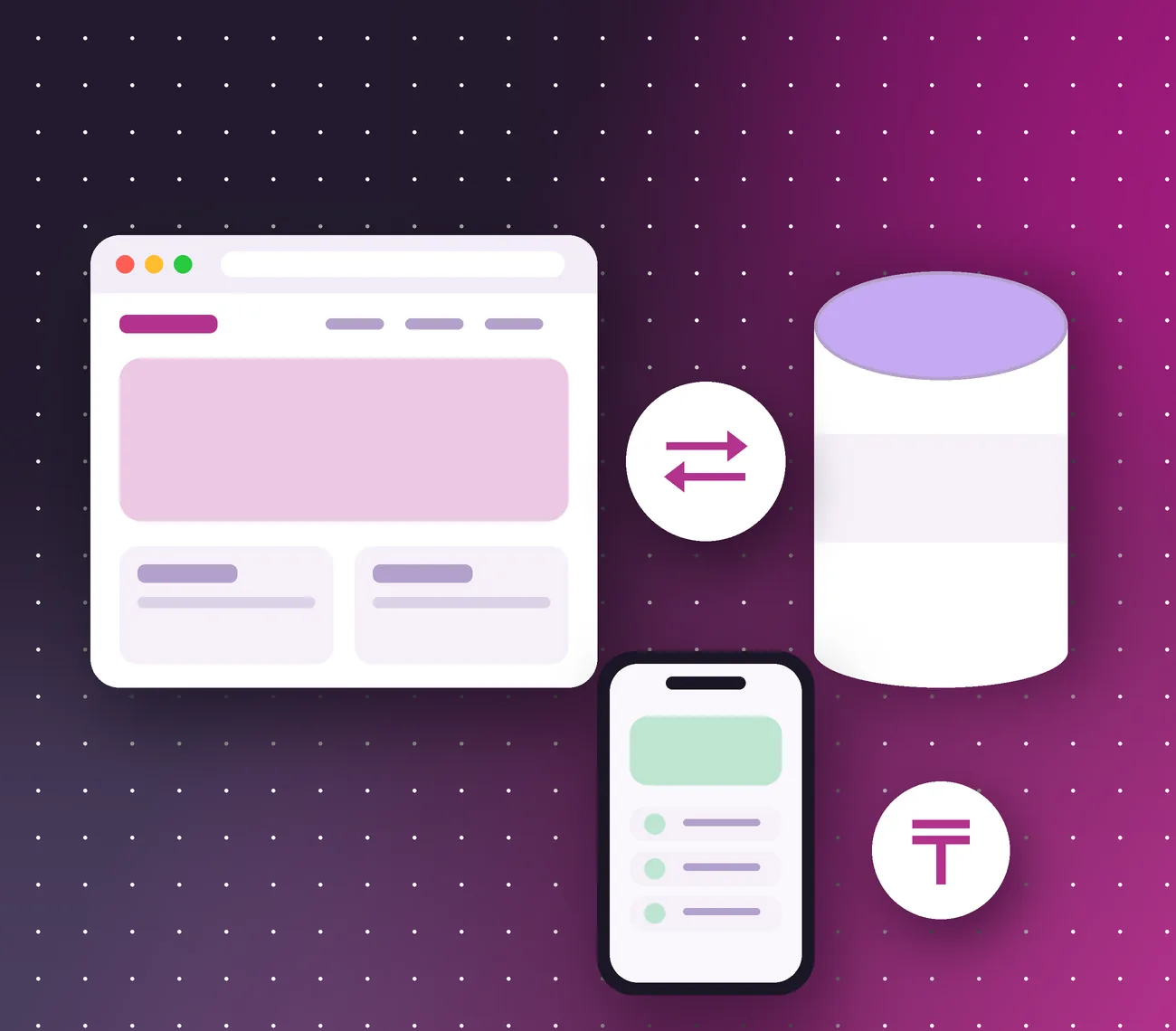
What we connect
Payments via Kaspi
The customer places an order on the website and pays via Kaspi: by QR code on a computer or by switching to the app on a smartphone. After payment, the order status on the website updates automatically and the manager gets a notification. Kaspi QR runs in our Hawaii and Jaryq projects, and Kaspi Pay in the Ak Zhol Pharm, Florex, Amanat Market, Motoeye and Happiness online stores. Your company needs its own agreement with Kaspi; we take care of the technical side.
Kaspi Store
If you sell both on your website and in the Kaspi Store, it is easier to manage data in one place. We can set up automatic price list feeds — prices, availability, stock by location — from your website admin, 1C or MoySklad, and pass Kaspi orders into a shared admin panel or CRM. How much can be automated depends on the tools Kaspi gives sellers, so we confirm the setup during the audit.
Bank acquiring
Card payments through bank payment gateways. Halyk ePay is connected in our Hawaii, iTraveller, Hayward and Teri Sarayi projects, and Halyk together with Kaspi in Jaryq, Expert Plus and Ak Zhol Pharm. We also connect other banks' gateways if they provide an API.
1C
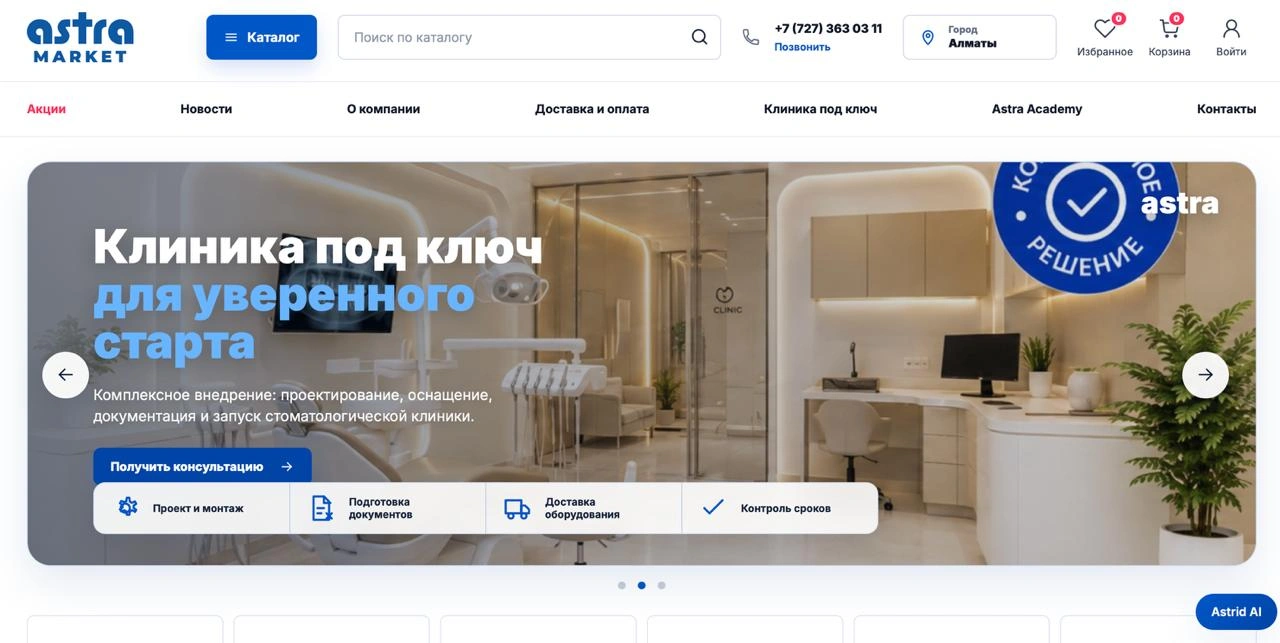
Exchange between the website and 1C: products and categories, prices by customer type, stock by warehouse, orders and counterparties. In Astra Market, the city a customer selects determines current product availability in stock, while delivery and payment options depend on the city, order contents and customer type — individual, sole proprietor or LLP.
MoySklad
For companies that keep their records in MoySklad: syncing products, prices and stock to the website and sending website orders back to MoySklad. We build the exchange through the service's API.
Payments beyond online stores
Services need online payments too: in our projects customers pay on the website for water park tickets (Hawaii), online courses (Jaryq), debt in a customer account (Expert Plus), services on the Trucking Desk freight portal; Kaspi Pay is also connected on the TanuAward prize portal.
Delivery services
Calculating delivery cost and time, creating shipments and sending tracking numbers to customers — through the APIs of the courier services you work with.
CRM, messengers and telephony
Leads and orders from the website go to a CRM — Bitrix24, amoCRM or your own system. Our projects include integrations with Bitrix24, Wazzup for customer messaging, and IP telephony. More about custom CRM systems on our business automation page.
For new and existing websites
Without integration, businesses usually run into the same problems: a manager copies prices from 1C to the website by hand, items sell out in the warehouse but keep selling online, website and Kaspi orders are re-entered into the accounting system, and payments have to be reconciled against bank statements. Integration removes this manual work and the errors that come with it.
A new website or online store
If the website is still being planned, we build integrations into the architecture from the start: the catalog structure mirrors your 1C reference data, products have external IDs, and order statuses match your business processes. This makes the exchange more reliable than bolting it onto a finished site. A turnkey online store with online payments and 1C or MoySklad exchange starts from 900,000 ₸ — see e-commerce development.
A website that is already live
If we built the site, the connection is usually faster: we know the code and architecture. If another team built it, we start with an audit — we review the code, platform, hosting and access and assess whether the integration can be added cleanly without breaking what already works. Sometimes the platform does not allow a proper exchange — for example, a website builder with no server access. Then we will say so honestly and suggest options, from an intermediary service to migrating the site; see redesign and modernization.
Once connected, integrations need maintenance: Kaspi, banks and 1C update their protocols from time to time. For websites we built, this is covered by 24 months of free technical support; for others we offer technical support from 50,000 ₸ per month.
How the data exchange works
An integration is not a single button — it is a set of agreements about which system is responsible for what. Before development we fix them in an exchange diagram.
- Where the master data lives. Usually 1C or MoySklad owns the product list, prices and stock, while the website owns descriptions, photos and SEO copy. Orders are created on the website and passed to the accounting system.
- How often data is exchanged. Stock and prices on a schedule or immediately on change; orders at checkout or payment. We choose the frequency based on how fast your availability changes.
- Multiple warehouses and cities. Availability can be shown by city or pickup point, as in Astra Market, where the selected city determines product availability.
- Different prices. Retail and wholesale prices and individual price lists for customer groups — as in the Vivid auto parts store, for example.
- Errors and monitoring. Every exchange session is logged, the person in charge is notified of failures, and orders are not lost even if the accounting system is temporarily unavailable.
Payments work like this: the order is created on the website, the customer proceeds to payment, the bank or Kaspi sends the website a confirmation, the order status changes to "paid" and is passed to 1C or the CRM, and both customer and manager are notified. In the Expert Plus customer account, for example, clients can pay off a debt in full or in part, and the balance updates automatically after payment.
Security gets separate attention. Card details are entered on the bank's secure page or in the Kaspi app and are never stored on your website. Access keys for payment systems and accounting databases live only on the server, and the website accepts payment notifications only after verifying their signature, so an order cannot be "paid" with a forged request.
Setup on the 1C side — exchange handlers and configuration changes — is done together with your 1C specialist. We describe the data format and test the exchange from the website side; they make the changes in the database.
Projects with integrations
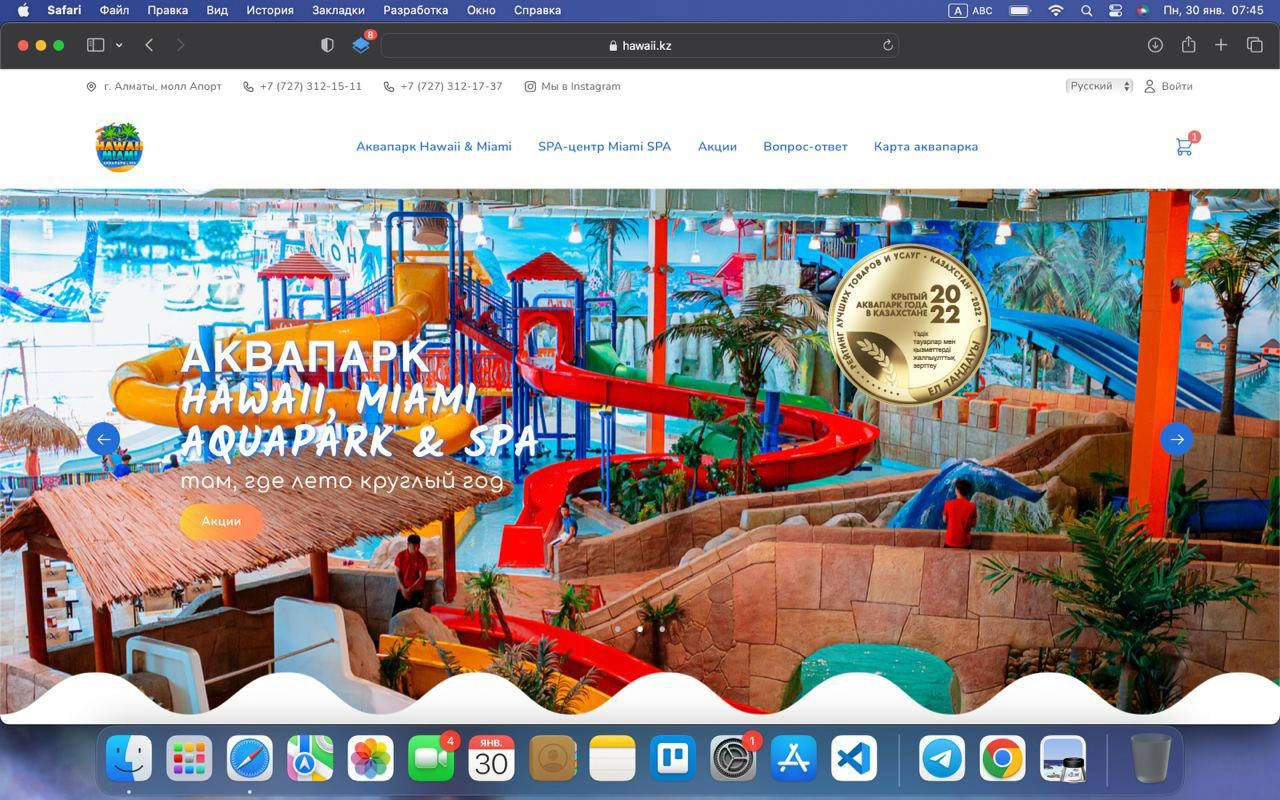
- Hawaii water park — online ticket sales: payment via Epay, Kaspi QR and loyalty program bonuses, integration with the Abonement software, a custom CRM and a user account.
- Jaryq — an online learning portal: registration, testing with certificates, payment via Kaspi QR and Halyk, and a promo code system.
- Expert Plus — a customer account for a collection agency: login with IIN and SMS confirmation, payment schedule, online payment through Kaspi, Halyk and ePay gateways, partial or full payment and automatic balance updates.
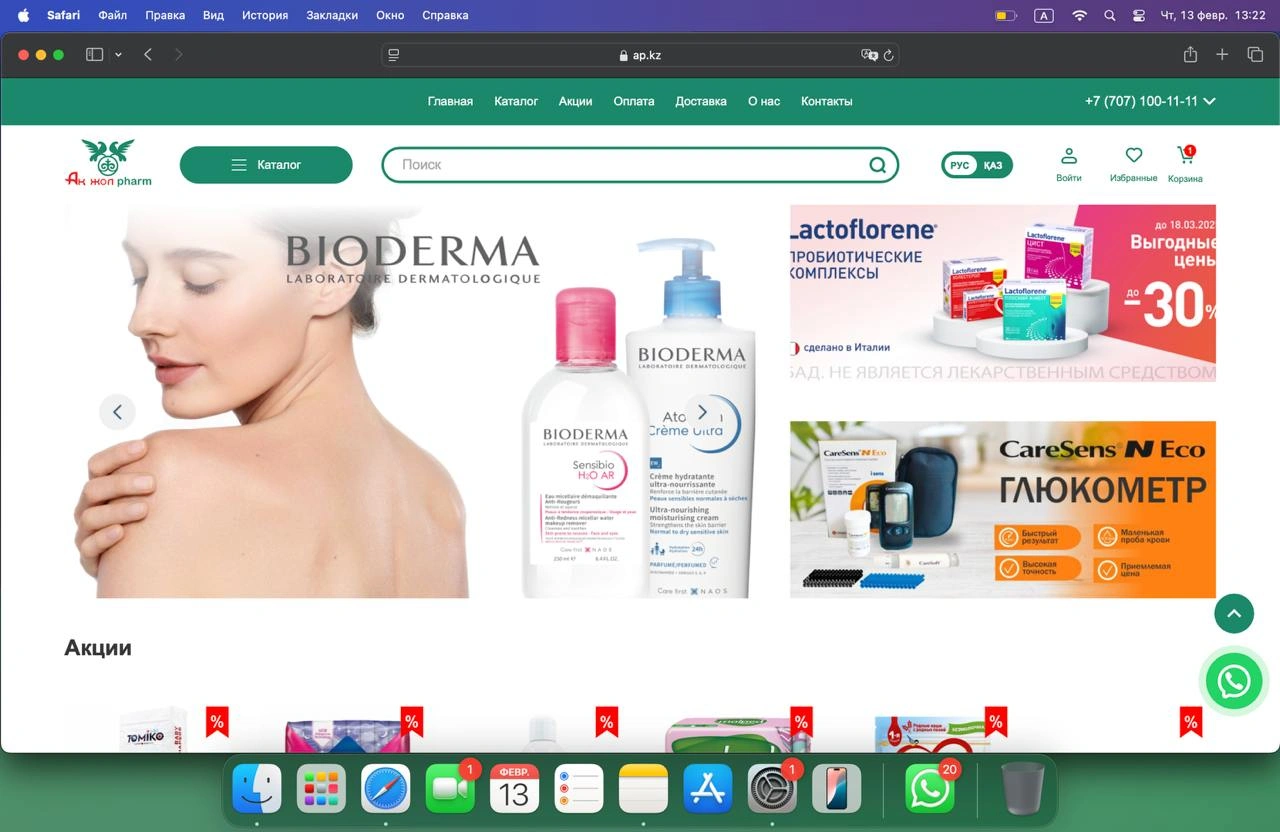
- Ak Zhol Pharm — an online pharmacy with online payment (Kaspi Pay, Halyk), automatic stock and price updates from internal systems, medicine reservations and a choice of delivery or pickup.
- Astra Market — an online store for dental supplies with 1C integration, regional stock, payment options for individuals, sole proprietors and LLPs, and delivery based on city and availability.
- Hayward and Teri Sarayi — online stores with 1C warehouse exchange and online payment via Epay.
Stages and timeline
- Brief and audit. We find out which systems you use: 1C configuration and version, MoySklad, acquiring bank, Kaspi agreement, CRM. If we did not build the website, we review the code and access.
- Exchange diagram. We describe what data moves, in which direction, how often, and what happens on errors. We agree the diagram with you and your 1C specialist.
- Development. We write the integration module on the website side and set up the admin panel to monitor the exchange and payment statuses.
- Testing. We test in a sandbox: test payments, refunds, product feeds and behaviour on failures.
- Launch. We switch to live keys and data and run the first sync under supervision.
- Support. We watch the exchange logs during the first weeks and update the integration if Kaspi, the bank or 1C changes its protocol.
The timeline depends on the number of systems and exchange directions: connecting one payment gateway is simpler than a two-way 1C exchange across several warehouses. We give an exact timeline after the audit and fix it in the contract. To save time, prepare access to the website admin and hosting, test keys from your bank or Kaspi, and your 1C specialist's contact in advance.
At the end you get not only a working integration but also a description of the exchange diagram, an operations log and an admin section showing payment statuses and the result of every sync. We show your managers what to do if an order did not reach 1C or a payment was not confirmed.
How much Kaspi and 1C integration costs
Integrating an existing website with Kaspi, 1C, MoySklad or bank acquiring costs from 150,000 ₸. The final price depends on:
- the number of systems and exchange directions — payments only, or also products, stock and orders;
- catalog size and the number of warehouses, cities and price types;
- non-standard changes to the 1C configuration;
- the state of the current website and its platform, if we did not build it;
- whether you need an admin panel interface to monitor the exchange and payments.
For example, connecting one payment gateway to a website we built is usually close to the lower end of the range, while a two-way 1C exchange across several warehouses and cities with Kaspi Store feeds costs noticeably more.
For a new online store, integrations are part of the overall project estimate — a turnkey online store starts from 900,000 ₸. If you need a full accounting system or a CRM built around your processes, see CRM development and business automation — from 1,500,000 ₸.
Larger projects can be paid in parts: installments with no banks and no markup. You can get a preliminary estimate for a website with integrations on the order a website page.
Why Studio Nomad
- Experience with Kazakhstan's services. Kaspi Pay and Kaspi QR, Halyk ePay, 1C and CRM integrations run in our projects — from an online pharmacy to a water park and a financial company's customer account.
- Our own code. We write integrations ourselves, without paid middleware modules, so we can adapt them to your processes.
- Website and integrations in one pair of hands. If something breaks, you do not have to work out whether the website, a module or 1C is to blame — we handle it.
- Contract, warranty and support. We work under a contract; websites we build get 24 months of free technical support, including integration updates.
- More than 70 projects in our portfolio and an office in Almaty where we can meet and discuss your task.
If you need integrations as part of a larger project, see also website development and mobile apps — Kaspi and Halyk payments can be connected there too.
Our work
Frequently Asked Questions
How much does it cost to connect Kaspi Pay or 1C to a website?
What do you need from us to set up Kaspi payments?
Can you add integrations to a website you did not build?
How often are prices and stock updated from 1C?
Do you work with MoySklad?
Can the website be synced with the Kaspi Store?
Who maintains the integration after launch?
Related articles
Other services
- Website Development
- Corporate Website
- Online Store
- Landing Page
- Business card website
- Marketplaces and Portals
- CRM & Automation
- Mobile App Development
- SEO Promotion
- SEO Audit
- Website Support
- Website redesign
- Web Development in Astana
- Car dealer website
- Clinic website
- Education website
- Construction company website
- Financial company website
- Logistics company website