

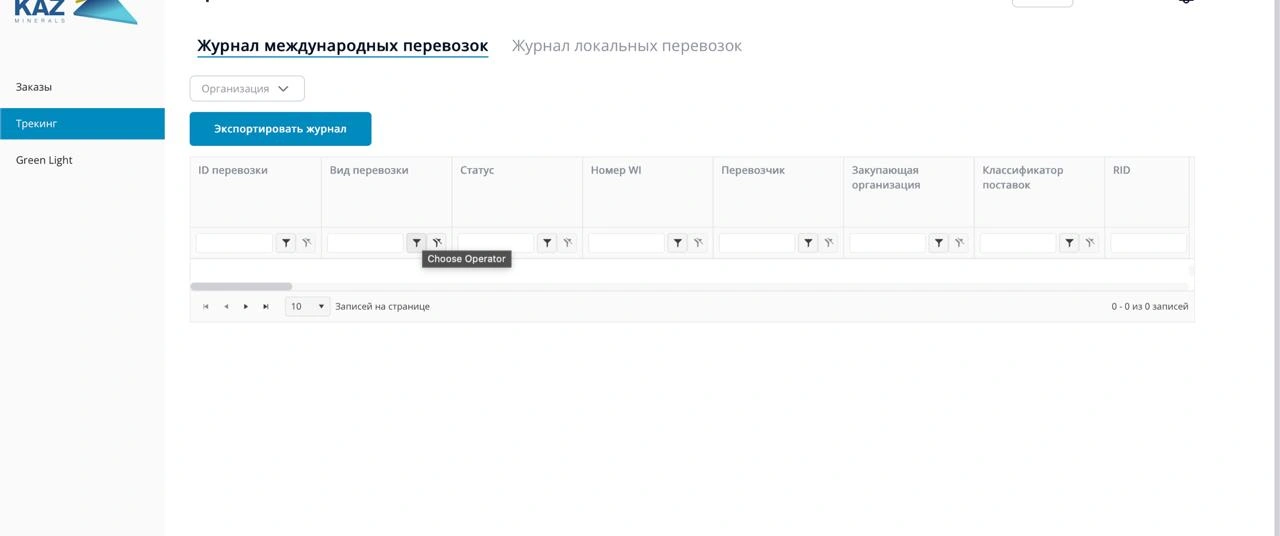

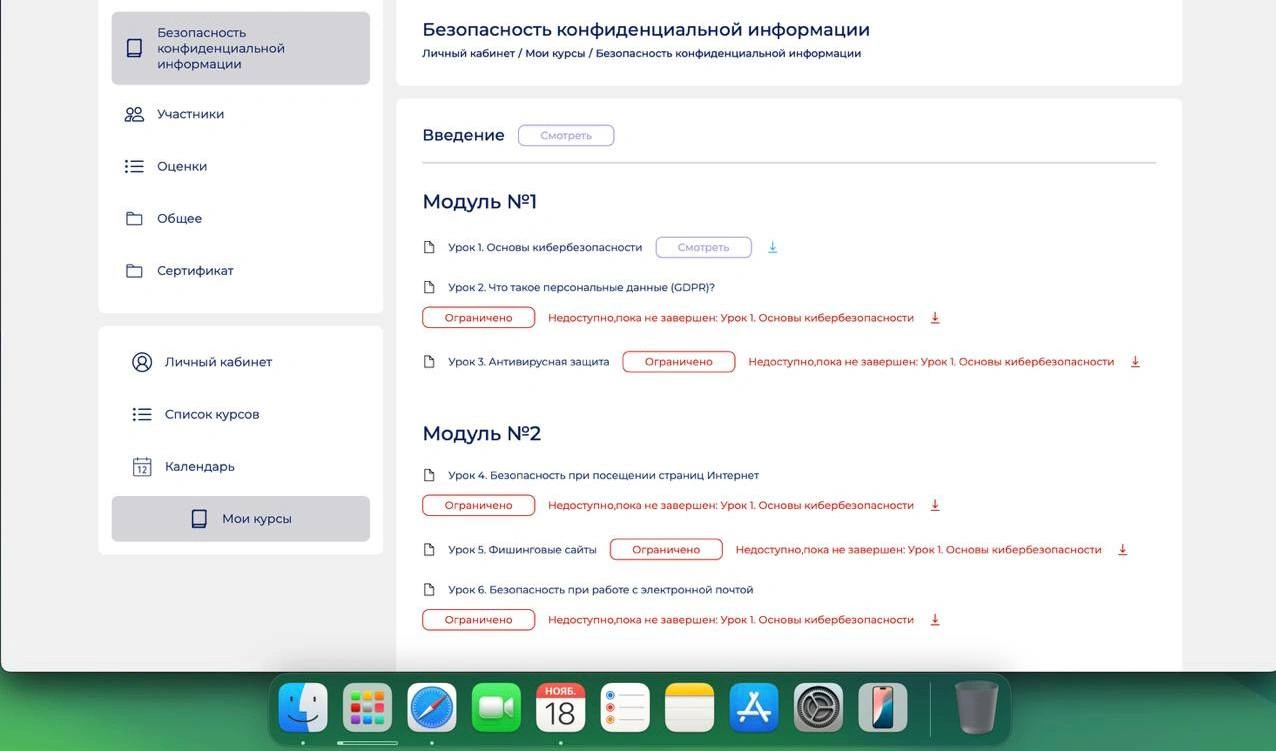
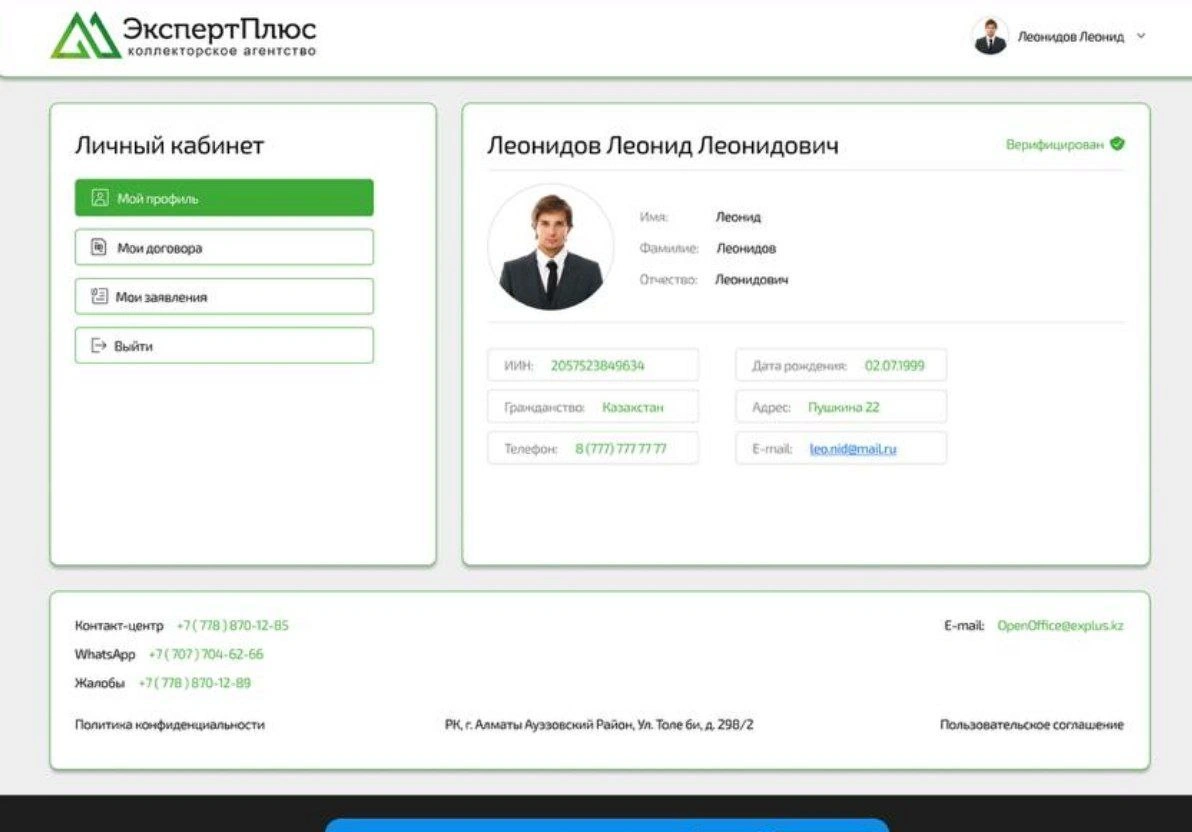
Special attention was paid to integration with Oracle ERP (OEBS) and to ensuring stable data exchange between the warehouse and the corporate accounting system.
Core functionality
Support for multiple warehouses, zones and storage types
Location-based storage (bins, pallets, boxes)
Receiving, putaway, transfers, stocktaking and shipping
Batch, serial number and expiry date tracking
Real-time work with barcode scanners and a web scanner
Flexible role model (storekeeper, supervisor, administrator)
Real-time monitoring of operation statuses
Reports on stock levels, movements and warehouse performance
Oracle ERP integration
The project includes two-way integration with Oracle ERP / Oracle E-Business Suite:
Synchronization of items, warehouses and reference data
Receiving documents (orders, transfers, shipping tasks) from Oracle
Sending actual receiving and shipping data back to Oracle
Data integrity control and protection against duplicate operations
Asynchronous exchange and logging of all integration operations
The integration made it possible to embed the WMS into the existing corporate IT landscape without changing Oracle’s business logic.
Technical implementation
Backend with a modular architecture and REST API
Reliable transaction model with protection against double write-offs
Optimized for high load and concurrent users
Extensible database structure
Ready for scaling and new integrations
Business results
Full real-time control of warehouse operations
Significant reduction in manual accounting errors
Faster processing of warehouse operations
Seamless integration with third-party corporate systems
A ready platform for growth and digital transformation of logistics